red willow counseling and recovery logo Salt Lake City UT

Red Willow Counseling & Recovery

Red Willow counseling and Recovery

Therapy: 385-313-0055

IOP: 385-202-5315

Book Therapy Book IOP
  • Our Specialties
    • Addiction
    • LGBTQ+ or Gender Issues
    • Relationship Challenges
    • Depression
    • Anxiety
    • Obsessive Compulsive Disorder
    • Trauma & PTSD
    • EMDR Therapy
    • Unresolved Abuse
    • Unresolved Grief & Loss
    • Chronic Pain
  • Substance Abuse
    • Drug & Alcohol Assessment
    • Drug & Alcohol Consultation
    • Addiction Intervention
    • Prime For Life
  • Mental Health Therapy
    • Individual Therapy
    • Couples Therapy
    • Family Therapy
    • Group Therapy & Workshops
    • Neuropsychological Services
  • Intensive Outpatient Program
    • What is an IOP
    • Substance Abuse IOP
    • Mental Health IOP
    • IOP FAQ
  • Resources
    • Resource Library
    • Community Resources
    • Billing Info
    • Confidentiality
    • Using our session scheduler
    • Crisis Lines
    • FAQs
  • About Us
    • Providers
    • Locations
    • Blog
    • Contact Us

Therapy: 385-313-0055

IOP: 385-202-5315

Is There A Link Between PTSD And Addiction?

Home | Trauma and PTSD

link between PTSD and addiction

Addiction is a prevalent problem among many adults, but many of those who struggle with alcohol, substances, or tobacco can also experience mental health concerns that could worsen their addictive tendencies. It is estimated that 25-45% of people experience PTSD and addiction concurrently. Dealing with mental health concerns can lead people to seek mood-enhancing drugs or substances like alcohol and other drugs. People with PTSD specifically may experience flashbacks, accompanied by depression or self-confidence issues, which could cause people to rely on drugs or alcohol to cope. This blog will explore how PTSD and addiction can often go hand in hand. 

The Connection Between Trauma And Substance Use

Traumatic and stressful situations can cause long-term effects on your mental health. Those who experience trauma may feel more vulnerable, experience high stress, or have intrusive thoughts that make it hard to cope with life situations. Anxiety and depression may be heightened after a traumatic experience, which could push people to seek something to improve their mood and behavior. Seeking more endorphins and dopamine from substances or alcohol is often seen as a solution for those dealing with bad mental health. 

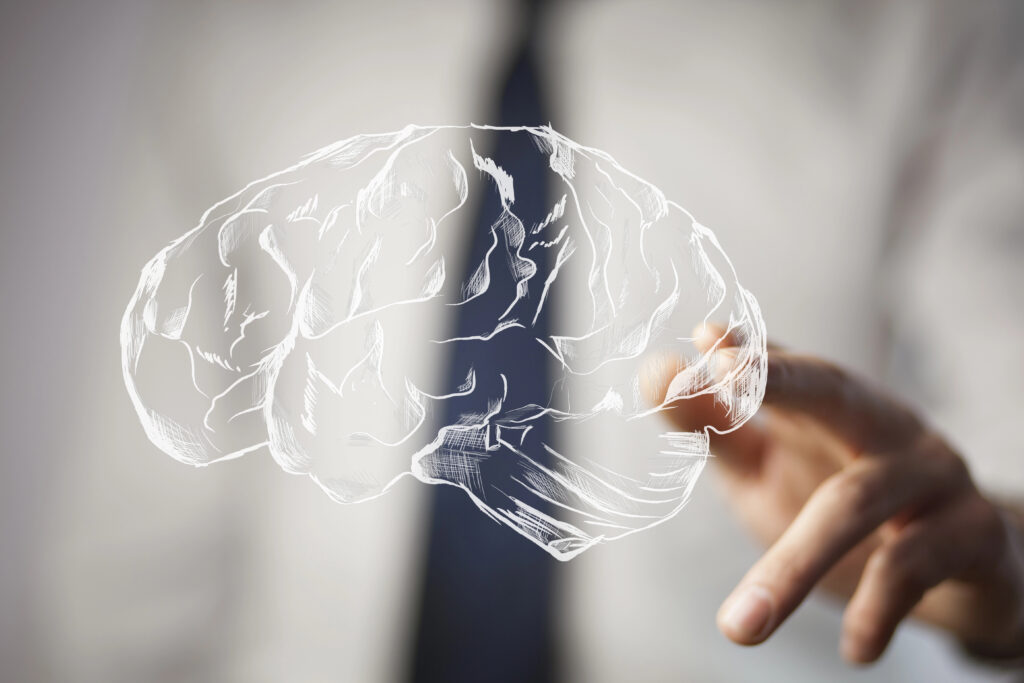
Trauma changes the makeup of your brain, decreasing coping skills, increasing irritability, and impacting decision-making. Adding substances on top of this can decrease a person’s ability to calmly respond to stressors or impulses. Research has shown that having an addiction on top of PTSD can make your stress symptoms worse.

Mood Swings Or Behavior Changes

PTSD can cause irritability, depression, anger, and anxiety to worsen. With a traumatic experience, your brain can be impacted in multiple ways, including damage to your mood control. Although some mood swings will be normal after being diagnosed with PTSD, coping with them through alcohol or substances is not the best course of action. Addictive substances can worsen your symptoms and lead to more risky behaviors and erratic moods. 

Intrusive Thoughts

One persistent symptom of PTSD is the recurrent and unwanted thoughts, including flashbacks to the trauma itself. Dealing with intrusive thoughts and flashbacks can be taxing, affecting your sleep, relationships, work, and much more. It may seem appealing to help numb the reminders and flashbacks with alcohol or substances, but it can worsen your symptoms. PTSD can feel extremely overwhelming and hard to cope with on your own. Addiction is common in those who experience PTSD because they need to find a way to numb intrusive thoughts and function in daily life without the reminder. 

How Can Co-Occurring PTSD And Substance Abuse Be Treated?

If you want to seek help for your PTSD and addiction, it is never too late. There are medications and therapies that can be used to help you overcome stress, flashbacks, reliance on substances, and withdrawal symptoms. Medications can help ease cravings and desires for substances like opioids or alcohol. Some medications include Buprenorphine, Methadone, Naltrexone, and Lofexidine. Using these medications can help block the side effects of substances or ease the withdrawal symptoms.

Dry January Boundaries during addiction recovery

Psychotherapies are also helpful for healing your brain and boosting your coping skills. There are many types of therapy that can help with stress, PTSD, and other trauma. Exposure-based therapies, Cognitive processing therapy, and Eye movement desensitization and reprocessing can help you heal from trauma without the need for harsh substances. 

Seek Group Support

When it comes to addiction, seeking group support and group therapy can help push you to stick with sobriety. Group therapy is helpful for many patients who struggle with addiction to hear stories from others who have also walked the road to recovery. A support group will also understand your unique feelings around addiction, PTSD, or other mental health disorders and can provide more quality advice than those who have never experienced it. 

Treatment And Support From Red Willow Counseling And Recovery

Red Willow Counseling and Recovery offers help with many different mental health concerns and addiction recovery. Our team is passionate about helping everyone have better coping skills, deal with life changes, and overcome addiction. Our therapy can help you overcome stressors and navigate the challenges that life brings with ease. Red Willow is skilled in working with different patients, helping them form new habits, and reducing the likelihood of relapse. No one is beyond help, even if you feel like your addiction or PTSD is too difficult to overcome. Reach out to our team to schedule a consultation or meet with some of our team members and see if we are a good fit for you.


Filed Under: Addiction, Trauma and PTSD

Intensive Outpatient Program Salt Lake City

Proper therapy techniques can help people with different mental illnesses form better coping strategies and manage emotions. Therapy for PTSD individuals can provide a multitude of benefits to help you build better trust and manage negative thoughts. PTSD is a consuming mental block that can disrupt many aspects of your life. Therapy from Red Willow will help you develop better emotional regulation and healthily share your traumatic moments.

What Is Post Traumatic Stress Disorder?

Post Traumatic Stress Disorder is a condition brought on by seeing a shocking event or experiencing something traumatic. PTSD is typically associated with veterans, but all people can experience trauma that leads to PTSD. The symptoms of PTSD can range from person to person, but the most common ones include the following:

  • Flashbacks
  • Nightmares
  • Severe anxiety
  • Uncontrollable thoughts
  • Withdrawl from family and friends
  • Development of other mental health conditions
  • Physical complications (heart palpitations, difficulty breathing, and other physical feelings that occurred during the traumatic event.)

1- Develop Coping Strategies

The main focus of therapy for PTSD is to help individuals develop coping strategies for when life gets tough. Mental illness and healing from trauma can make our bodies go into flight or fight mode and disregard our coping strategies. Therapy helps people to manage symptoms and navigate a triggering situation. Working with a therapist will help individuals recognize what emotions they are feeling while helping them learn how to regain control of the situation and their thoughts.

Coping strategies and emotional control help PTSD patients to function better in daily life. Trauma can surface at any time, so developing a tool to help you during unexpected times will prevent it from becoming a setback.

2- Process Traumatic Memories In A Safe Space

Unresolved Abuse Treatment Salt Lake City UT Seasonal depression
Therapy for PTSD

PTSD comes with flashbacks and nightmares about the traumatic event. While this can be scary to talk about, speaking with a therapist can be a safe space to discuss what is haunting patients. Therapy appointments are a more controlled environment where people can avoid other stimuli or triggers while processing trauma. Untreated trauma will linger throughout your life and can alter the way you view the world. Working in therapy can help us heal from the trauma, while still letting it be a part of our story. 

3- Rebuild Trust

Traumatic experiences can cause alienation and disconnection with others. Often those with PTSD feel embarrassed about their feelings which causes them to withdraw from friends or family. Therapists can work to explore relational patterns and help patients develop better communication skills. 

As a PTSD survivor, the individuals often need to learn to trust themselves again as well. Although something traumatic may have happened to you, this does not mean it was your fault. Learning to trust your response and coping skills is a large component of therapy for PTSD.

4- Therapy For PTSD Will Help You Manage Your Negative Thoughts

Many therapy techniques allow individuals to confront their negative thoughts in order to prevent them from having power over them. Negative thoughts are often what hold us back from some of our greater potential, so working with a therapist to reframe your negative experiences into something more positive will help you move forward. Therapy for PTSD and other trauma helps individuals recognize harmful thought patterns and change their behavior. 

5- Therapy Promotes More Self Compassion

Those with PTSD often carry a lot of guilt and shame. They may feel that the trauma they experienced was their fault or feel guilty that they could have prevented a terrible situation from occurring. Whether your trauma directly affected you or someone close to you as well, therapy can help limit shame for those with PTSD. Working with a therapist who uses psychotherapy techniques can help reframe thinking for PTSD patients. Therapists who focus on therapy for PTSD will promote self-compassion and work to help a person see all the good they can do in the future.

Therapy From Red Willow Counseling And Recovery

Depression Treatment Salt Lake City Utah

Here at Red Willow, we have therapists that specialize in many different areas. Not only can PTSD patients find resources and strength, but those who struggle with addiction and other mental health disorders can find relief with Red Willow. We strive to provide as many resources for people as we can, while also providing a comforting space for people of all backgrounds. From individual counseling, group counseling, IOP groups, and our resource library, you can find an option that works best for you. Reach out to our team and meet with a therapist in Salt Lake City or Park City, today!

Filed Under: Trauma and PTSD, Mental Health Therapy

Trauma & PTSD Salt Lake City Utah Mental health IOP

Those who have experienced trauma can be deeply distressed and experience mental illness, physical ailments, and damaged relationships. Therapy is the most commonly used method to help individuals heal from trauma. There are many therapy techniques that are used by our therapists at Red Willow Counseling and Recovery that are effective in helping individuals towards healing. This blog will explore the benefits of therapy for trauma and how it will help those who are victims of abuse, neglect, or other trauma.

What Is Trauma?

Before we talk about how trauma can affect people and how you can heal, it is crucial to understand what trauma is and how it affects the brain and body. Trauma does not just refer to an event, but it also refers to how the person responds to the event. Both emotional and psychological responses are taken into account when looking at a person who experiences a traumatic event. 

When someone experiences trauma, they will go into survival mode and the brain will release a stress hormone. This can often result in the fight or flight response or can cause a person to dissociate, or block out the event. While the body tries to protect itself during the abuse or trauma, it can cause long-term problems if not treated properly. Prolonged trauma, especially childhood trauma, can result in severe mental illness and physical manifestations. 

How Can Trauma Manifest?

For individuals who have had a traumatic event, there are many reactions and manifestations the body can have. Physical, emotional, and mental responses are all common for trauma patients. 

Trauma can manifest in mental illnesses like Post Traumatic Stress Disorder (PTSD), Dissociative Identity Disorder (DID), and emotional dysregulation. These illnesses can include intrusive thoughts, disconnected emotions, and amnesia about the events that occurred. 

Trauma patients can also experience weakened trust that can lead to relationship struggles. Trauma can lead to the person seeking isolation or forming unhealthy relationships just to feel “normal.” Self-negative talk can also impact a person’s self-esteem and how they process relationship affection. People can be self-critical or will have a hard time accepting love from others. Therapy for trauma can help you break down these issues and help make you a more confident and trusting person.

Techniques Used In Therapy For Trauma

Therapy is a tool that will help patients understand emotions, work through pain, and regain a sense of control. There are many therapy techniques that include talking, meditation, and medication to aid in the healing process. Here are a couple of trauma therapies that are effective for those who have experienced a traumatic event. 

Covid Salt Lake City UT

Accelerated Resolution Therapy (ART)

A newer therapy for trauma approach is Accelerated Resolution Therapy. This therapy is proven to help patients with PTSD, Phobias, Depression, and Grief. This therapy approach involves replacing negative images with positive ones. A therapist will help guide the patient to replace triggers or memories with more positive images. This will limit nightmares, flashbacks, and intrusive thoughts. 

Cognitive-Behavioral Therapy (CBT)

Cognitive-behavioral therapy combines two psychological theories, Emotional Processing Theory and Social Cognitive Theory. Emotional Processing Theory involves the thought that the traumatic event can be reframed to seem less scary. Changing responses and triggers to the event will help to change the unhealthy functioning of patients. 

Social cognitive theory suggests that patients who try to incorporate the experience of the trauma into their beliefs can help them understand the experience in a healthier way. For example, if someone thinks that bad things happen to bad people, and being abused or raped makes them bad, the situation can be reframed so the patient understands they were unjustly violated. 

CBT often uses exposure to the emotions or reminders of the trauma to help them heal. These are done in a controlled setting to help the person feel safe while helping them learn they do have the ability to cope. This is a therapy for trauma because it helps you face your fears in a healthy way and overcome them without needing outside factors.

Eye Movement Desensitization and Reprocessing (EMDR) 

This is a specialized therapy that helps patients process traumatic memories and reduce emotional charges. Therapists do this through guided rapid eye movements that help the patient focus on memories, current triggers, and future goals. The rapid eye movements help improve memory and eliminate problematic physical symptoms. 

Dialectical Behavior Therapy (DBT)

Dialectical Behavior Therapy is often used for patients who have experienced immense trauma or dissociation. It is used to help regulate emotions so patients can understand how the trauma has affected them. Navigating strong emotions while dealing with PTSD or other mental illnesses can be difficult, so DBT can improve your emotional capacity.

Internal Family Systems Therapy (IFS)

IFS focuses on our internal sense of Self that makes us who we truly are. Our other Parts fit into three categories; Exiles, Managers, and Firefighters. These parts carry the pain of the trauma and the trauma itself. These parts protect us from pain and resort to extreme measures to protect against pain when the Exiles break through the Managers’ defenses. The patient will learn more about their Self and connect with their inner consciousness.

Salt Lake City, UT
Therapy for trauma

Mindfulness-Based Therapies

Practices like mindfulness and meditation can help calm those with extreme stress. They promote self-compassion, emotional regulation, stress reduction, and communication. Although mindfulness is not a therapy for trauma, per se, practicing mindfulness can be combined with other therapy techniques and medication to help you achieve well-rounded healing. 

Other Forms Of Healing Obtained From Therapy

There are other ways that therapy can improve your life and help you process your trauma. Helping you heal is the goal of therapy so that you can gain more control of your life. Here are some additional items you can obtain from proper therapy:

  • Validation
  • Emotional regulations
  • Coping skills
  • Healthier relationships
  • Limit negative thoughts
  • Improved self-esteem
  • Deal with triggers in a healthy way
  • Accept their pain
  • Learn from the past and implement better practices in the future
  • A positive outlook on life

Filed Under: Individual Therapy, Trauma and PTSD

CONTACT INFO

Phone

Salt Lake City: 385-313-0055

IOP: 385-202-5315

Address

1425 South 700 East, Suite #102 Salt Lake City, UT 84105

4516 S 700 E #260 Murray, UT 84107

1901 Prospector Ave #30 Park City, UT 84060

red willow counseling and recovery logo Salt Lake City UT
Facebook - Red Willow Counseling Yelp - Red Willow Counseling Twitter - Red Willow Counseling Instagram - Red Willow Counseling
Psychology Today Trused Provider Network Member of LGBTQ Secure Trust Joint-Commission-Seal

FOR CLIENTS

CLIENT PORTAL BOOK APPOINTMENT HERE CRISIS LINES

CONTACT OUR BILLING DEPARTMENT AT BILLING@REDWILLOWCOUNSELING.COM