red willow counseling and recovery logo Salt Lake City UT

Red Willow Counseling & Recovery

Red Willow counseling and Recovery

Therapy: 385-313-0055

IOP: 385-202-5315

Book Therapy Book IOP
  • Our Specialties
    • Addiction
    • LGBTQ+ or Gender Issues
    • Relationship Challenges
    • Depression
    • Anxiety
    • Obsessive Compulsive Disorder
    • Trauma & PTSD
    • EMDR Therapy
    • Unresolved Abuse
    • Unresolved Grief & Loss
    • Chronic Pain
  • Substance Abuse
    • Drug & Alcohol Assessment
    • Drug & Alcohol Consultation
    • Addiction Intervention
    • Prime For Life
  • Mental Health Therapy
    • Individual Therapy
    • Couples Therapy
    • Family Therapy
    • Group Therapy & Workshops
    • Neuropsychological Services
  • Intensive Outpatient Program
    • What is an IOP
    • Substance Abuse IOP
    • Mental Health IOP
    • IOP FAQ
  • Resources
    • Resource Library
    • Community Resources
    • Billing Info
    • Confidentiality
    • Using our session scheduler
    • Crisis Lines
    • FAQs
  • About Us
    • Providers
    • Locations
    • Blog
    • Contact Us

Therapy: 385-313-0055

IOP: 385-202-5315

How Parental Mental Health Impacts Children

Home | Family Therapy

Parental mental health and the impact on children

While mental illnesses are more common than you think, raising a child while dealing with a mental illness can pose quite a few challenges. Many adults are impacted by mental illness, but that doesn’t necessarily mean their children will have negative effects. This blog will share how untreated parental mental health can negatively impact children, how to help yourself and your children cope with mental diagnoses, how parenting styles impact childhood mental health, and more. 

Most Common Mental Illnesses

Anxiety and depression are common mental illnesses in adults. While many parents may deal with these, they can be managed more easily and limit the effects on children. However, untreated mental illness can impact family members significantly. 

More severe mental illnesses like bipolar disorder, schizophrenia, PTSD, and anger can have physical and mental impacts on children. Coping with a mental illness can be challenging as an adult, but children who have to deal with an unstable adult and navigate the complexity of an illness they know nothing about can feel impossible. Parental mental health is about more than just stress on the child, it can impact decision making an other adult responsibilities.

Even a parent with a minor mental illness can cause children a moderate amount of stress. Having anxiety about situations can lead your kids to feel anxious about them too. 

What Studies Have Found About Childhood Impact

Researchers have looked at children with one parent impacted by mental illness, children with both, and children without mental illness in their families. While every family will be different and external factors can also play a role, those children with one or both parents having a mental illness had higher levels of distress. 

The American Journal of Psychiatry followed children of depressed parents for 20 years. They found that these children were three times more likely to develop a mental illness or struggle with substance abuse. 

PLOS One found that those who struggled with coping, rumination, and blame also were more likely to struggle with mental health problems. Children who didn’t blame themselves or others for their negative experiences had better outcomes. 

Additional findings concluded that parental mental health may cause children to:

  • Develop a lack of coping skills
  • Be at a higher risk of developing behavioral issues
  • Face social deprivation
  • Develop abusive tendencies
  • Have trouble bonding with a mentally ill parent
  • Have trauma due to parental suicide attempts, hospitalization, institutionalization, overreactions, or volatile parents. 

Parenting Styles And Their Impact On Mental Health

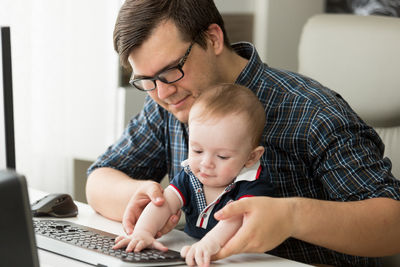
There are multiple types of parenting and your style can change as you and your children grow and learn. Looking at the common parenting styles can help us understand a little more about how they impact the future emotional and mental health of children. 
Salt Lake City UT

Repeatedly protecting children or limiting their opportunities can cause them to develop high anxiety. In certain situations, some children may do the opposite and develop a sense of over-independence. Critical and dismissive parenting may increase the risk of depression. Judging children on their physical appearance, emotional regulation, and learning abilities can affect their development. 

Of the four parenting styles, Authoritarian and Permissive have been linked to higher rates of anxiety and depression.

Uninvolved parents put the most risk on the mental health of children. These children could struggle with emotional regulation, anxiety, depression, or trauma. 

Authoritative parents are the most likely to maintain a good relationship with their children. Because they set clear boundaries but are willing to communicate with their children, they help them develop emotional regulation. 

Authoritative parenting is different from the authoritarian parenting style, which is a strict style of parenting where one or both parents place unrealistic and/or extreme expectations on children, often without communicating at all.  This does not lead to healthy emotional development for the child.

When Are Children Most Vulnerable?

Child development research shows that from newborn to five years old is the most crucial period for brain development. Children can be vulnerable into their teenage years, but especially in their younger years, parental mental health challenges can impact them the most. 

Especially the physical manifestations of mental health (withdrawal, emotional unavailability, lack of emotion, abuse, forgetfulness, or hospitalization) will change a child’s development. Even if you have a mental illness, managing your symptoms will limit the effects on young children. 

Should Psychological Support Be Sought For Parents or Children?

Both parents and children should seek help to navigate the emotions of mental illness. Parents should seek to improve their symptoms and healthily manage their stress instead of allowing their children to be their therapists. Children can benefit from working with a therapist to help them understand new emotions and why their parents may struggle to be parents to them. 

Therapy techniques can help children who may have developed a mental illness due to their parents. Cognitive Behavioral Therapy, relaxation, Dialectical Behavior Therapy, talk therapy, art expression, and mindfulness can all help with mental illness.

Parenting With A Mental Illness

Taking preventative interventions will reduce the risk of children developing mental illnesses. Addressing risk factors like poverty, abusive tendencies, poor communication, or hostile behavior, is the best way to keep your child resilient. 

How Parental Mental Health Impacts Children

Resilient children should understand that they are not responsible for their parent’s difficulties. Working on themselves and moving forward in their own experiences will reduce the risk of mental illness. Some other protective factors you can follow include:

  • Show love to your child
  • Help them develop good coping skills
  • Foster positive peer relationships
  • Seek family and friend support
  • Articulate your feelings and help children do the same
  • Do your best to limit financial or relationship stress from reaching your children
  • Foster positive self-esteem

Red Willow Counseling 

Our practice offers therapy for all ages. No matter your mental illness or current state in life, our therapists are here for you. Using evidence-based practice and a high sense of compassion, you can better handle life’s challenges. Reach out to schedule an appointment in Salt Lake or Park City today.
Filed Under: Mental Health Therapy, Family Therapy

How to help children through grief

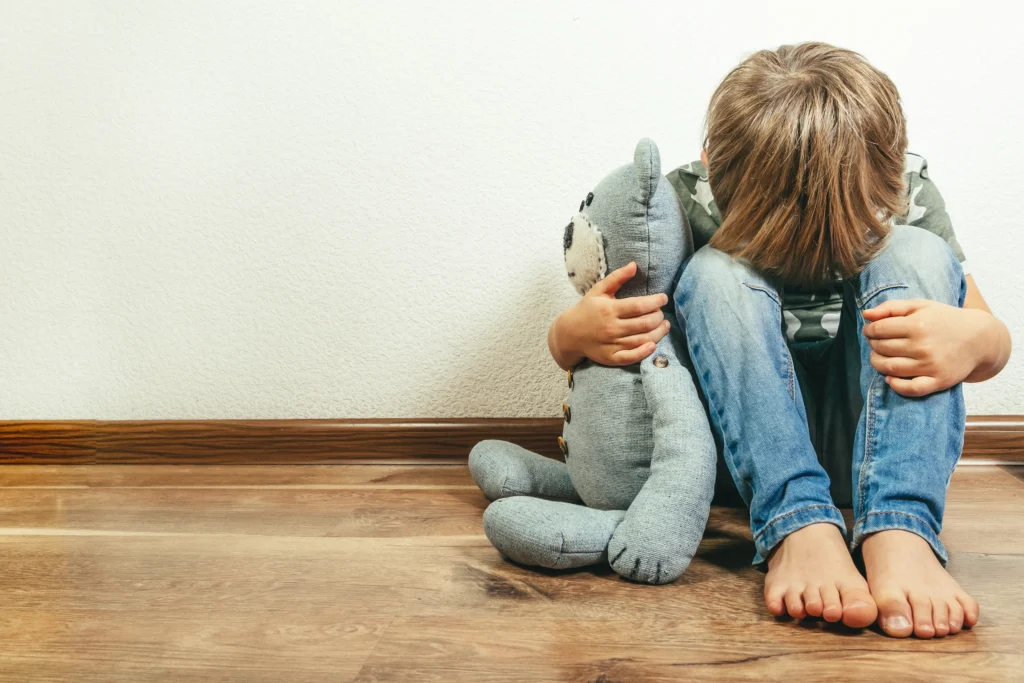
The death of a loved one can impact people in a variety of ways. Children and adults deal with grief and may find unique ways to cope with the loss. For younger children, grief can be an overwhelming experience, adults may need to help children through grief.

Dealing with a death is emotional for anyone, but helping children through grief while an adult is grieving too can be extremely difficult. While children are resilient, there are some ways to help them work through their feelings and avoid trauma from forming. In this blog, we will discuss the stages of grief, how people grieve differently, and how to talk to a child about death. 

The Stages Of Grief

Understanding the stages of grief can help adults and children better navigate their feelings. While not everyone grieves in the exact same way, we each experience some emotions tied to the 5 stages. 

The stages of grief include:

  • Denial
  • Anger
  • Bargaining
  • Depression
  • Acceptance

Some individuals may experience these stages before the loved one has passed. When helping children through grief, feelings of anger, depression, violence, anxiety, withdrawal, and frustration are all normal. If some of these emotions are new to a child, they may struggle to communicate them effectively causing them to act out or throw a tantrum.

All Children Will Grieve Differently

Grief is not a linear process for anyone. One of the most important things to remember when children experience grief is that their emotions will not be the same as another child. Even adults will experience different emotions than children and can even grieve longer than children. 

Some children may have a better understanding of death than others. Talking about your feelings with a child and listening to theirs will help you know how to best support them. Some children may not truly feel the loss until months or years in the future.

During the grieving process, children may regress back into old habits or “development” stages. For example, younger kids may start to wet the bed or use baby talk. Some children may struggle in school, sleep longer, or struggle to go to sleep. All of this is normal but can be helped with proper communication or therapy. 

How To Help Children Through Grief

Be Direct

Children are smart, so dancing around the topic is more damaging than it is helpful. When a death occurs, it is best to be direct and answer any questions a child may have. Using euphemisms can make death an even scarier thing for children. After death, this is a good time to teach coping skills that children will need later in life. Even if you don’t have all the answers, tell a child that you will figure it out together. 

Listen Intently And Validate Feelings

Listening to a child will help facilitate the healing process. Many of us want to be listened to and have someone validate our feelings, not solve the problem. During grief, children may feel complex emotions that are new to them. Listening and doing your best to understand their concerns will make them feel less alone. Creating a safe space for them to share will also allow the child to speak up when issues arise in the future. 

Find A Grief Support Group

If we feel ill-equipped to handle our own grief and help children through grief, finding a support group can help. Support groups are often facilitated by a counselor or therapist and are a safe space for people to learn from one another while sharing their fears. Support groups for children will show that there are others who are also dealing with grief.

Family therapy can also be helpful for children experiencing grief. Working with a therapist and seeing all family members share their emotions will help a child feel less alone in their sadness. A therapist can also help the family come together or give parents tips on how to aid in the child’s grief process.

Be Patient

Again, it is important to remember that healing is not linear, especially as a child. Losing someone close to you will continue to affect their loved ones for the rest of their lives, so patience is key when helping children through grief. Children will have good days and bad days, so give them grace when they seem to regress in the healing process. 

Communication Salt Lake City UT Finding a therapist

Don’t Underestimate The Child’s Ability To Cope

While adults should help children when necessary, children will be able to form their own opinions and core values as they grow. Letting grief be a learning and growing experience will help children grow into mentally healthy adults.

Grief Counseling From Red Willow Counseling And Recovery

Our team of therapists understands that a loss of any kind can be very emotional. Our specialists can work with children, teens, and adults who are experiencing grief. When dealing with a loss, other mental health issues may arise. Red Willow takes all of this into consideration when formulating your individualized treatment plan. Reach out to us to schedule your therapy appointment today.

Filed Under: Unresolved Grief and Loss, Family Therapy

CONTACT INFO

Phone

Salt Lake City: 385-313-0055

IOP: 385-202-5315

Address

1425 South 700 East, Suite #102 Salt Lake City, UT 84105

4516 S 700 E #260 Murray, UT 84107

1901 Prospector Ave #30 Park City, UT 84060

red willow counseling and recovery logo Salt Lake City UT
Facebook - Red Willow Counseling Yelp - Red Willow Counseling Twitter - Red Willow Counseling Instagram - Red Willow Counseling
Psychology Today Trused Provider Network Member of LGBTQ Secure Trust Joint-Commission-Seal

FOR CLIENTS

CLIENT PORTAL BOOK APPOINTMENT HERE CRISIS LINES

CONTACT OUR BILLING DEPARTMENT AT BILLING@REDWILLOWCOUNSELING.COM